

Many companies that purchase wear-resistant alumina ceramic products often fall into common selection traps: blindly pursuing high purity and high hardness, which leads to wasted purchasing costs; or chasing the lowest price and choosing lower-grade products with poor application fit and short service life, which increases later replacement costs. 92%, 95%, and 99% alumina ceramics are the three most widely used types in industrial applications. Their performance, cost, and suitable operating conditions differ significantly, so precise selection is the key to balancing protection performance and cost-effectiveness.
Based on different industrial operating conditions, Chemshun Ceramics has outlined clear selection criteria to help you avoid blind purchasing.
92% Alumina Ceramic: A Cost-Effective Choice for Light Wear Conditions
This grade contains appropriate sintering aids, resulting in lower production costs and a clear price advantage. Its wear resistance and electrical insulation properties meet routine industrial requirements. It is suitable for light powder erosion and applications without severe impact or corrosion, such as standard ventilation ducts, light-duty material conveying pipes, standard electrical insulating gaskets, and small silo linings. For companies with limited budgets and simple operating conditions, 92% alumina ceramic is the most cost-effective option. It fully meets basic wear protection needs without unnecessary investment.
95% Alumina Ceramic: The Industrial Workhorse for Most Demanding Applications
This is currently the most widely used and recognized grade, with balanced performance and no major weaknesses. Its wear resistance, impact resistance, acid and alkali corrosion resistance, and high-temperature resistance are significantly better than those of 92% alumina ceramic, while its price is much lower than that of 99% high-purity ceramic, giving it the best overall value. It is suitable for mainstream industries such as mining, thermal power, chemicals, and building materials. Typical applications include coal bunkers, silos, chutes, conveying pipelines, fan impellers, desulfurization equipment, and grinding equipment under complex conditions involving moderate erosion, light impact, and mild corrosion. It is also the general-purpose first choice for industrial wear protection.
99% High-Purity Alumina Ceramic: Designed for High-End Specialty and Extreme Conditions
Ultra-high purity delivers exceptional density, thermal stability, and corrosion resistance. It features extremely low water absorption, no impurities, and excellent high-temperature performance. It can withstand temperatures above 1500°C for long periods and offers top-tier resistance to strong acid/alkali corrosion and high-impact loads. However, its purchasing cost is relatively high, so it is not suitable for ordinary wear applications. It is mainly used in extreme conditions such as high-end precision equipment, high-temperature kiln components, highly corrosive chemical equipment, specialty seals, and insulating precision ceramic structural parts.
Key Selection Pitfalls to Avoid
First, do not focus only on hardness while ignoring toughness. Although 99% alumina ceramic has the highest hardness, it is relatively more brittle. In large-particle, high-impact applications, blindly choosing it can lead to chipping and breakage. For such conditions, 95% alumina ceramic should be given priority.
Second, do not take a one-size-fits-all approach by choosing high-purity grades. Using 99% alumina ceramic for ordinary powder erosion can result in 30%–50% wasted cost.
Third, never use 92% alumina ceramic in corrosive or high-temperature conditions. Its insufficient density can allow media penetration, accelerate wear, and significantly shorten service life.
Simple Selection Logic
For routine light wear and low-cost requirements, choose 92% alumina ceramic. For most industrial wear and corrosion-resistant applications, prioritize 95% alumina ceramic, which offers the greatest versatility and best cost-performance ratio. For high-temperature, highly corrosive, and precision specialty applications, choose 99% high-purity alumina ceramic.
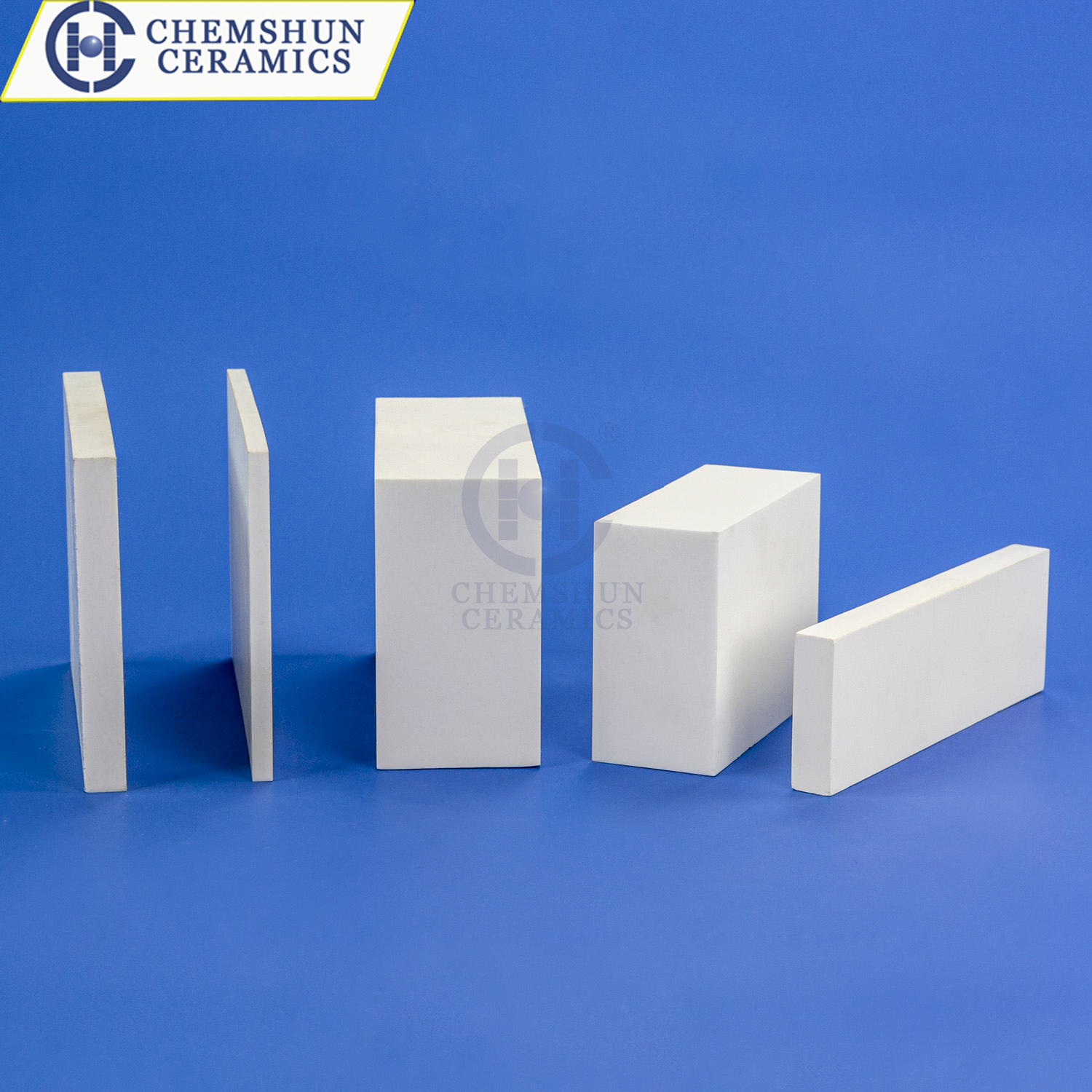
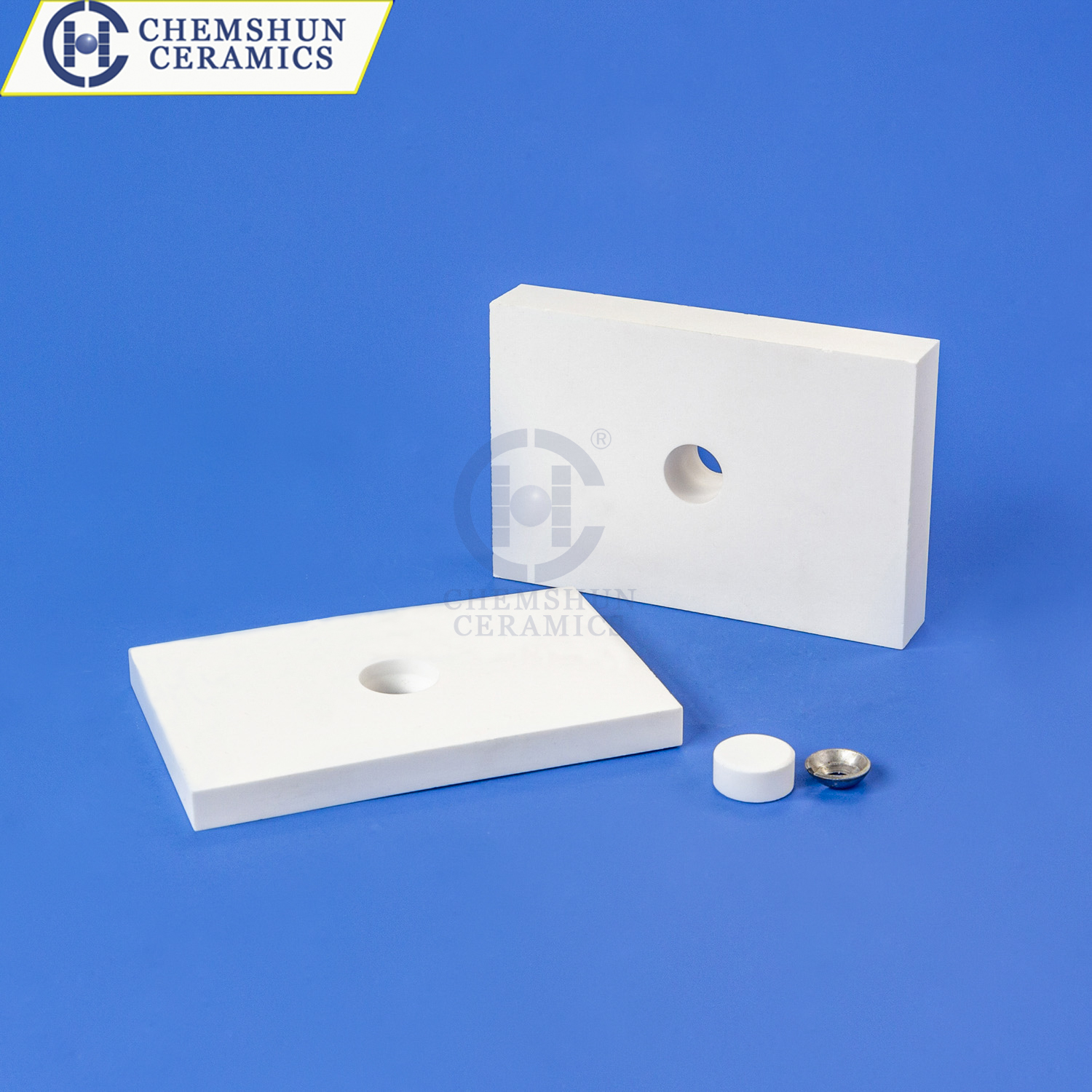
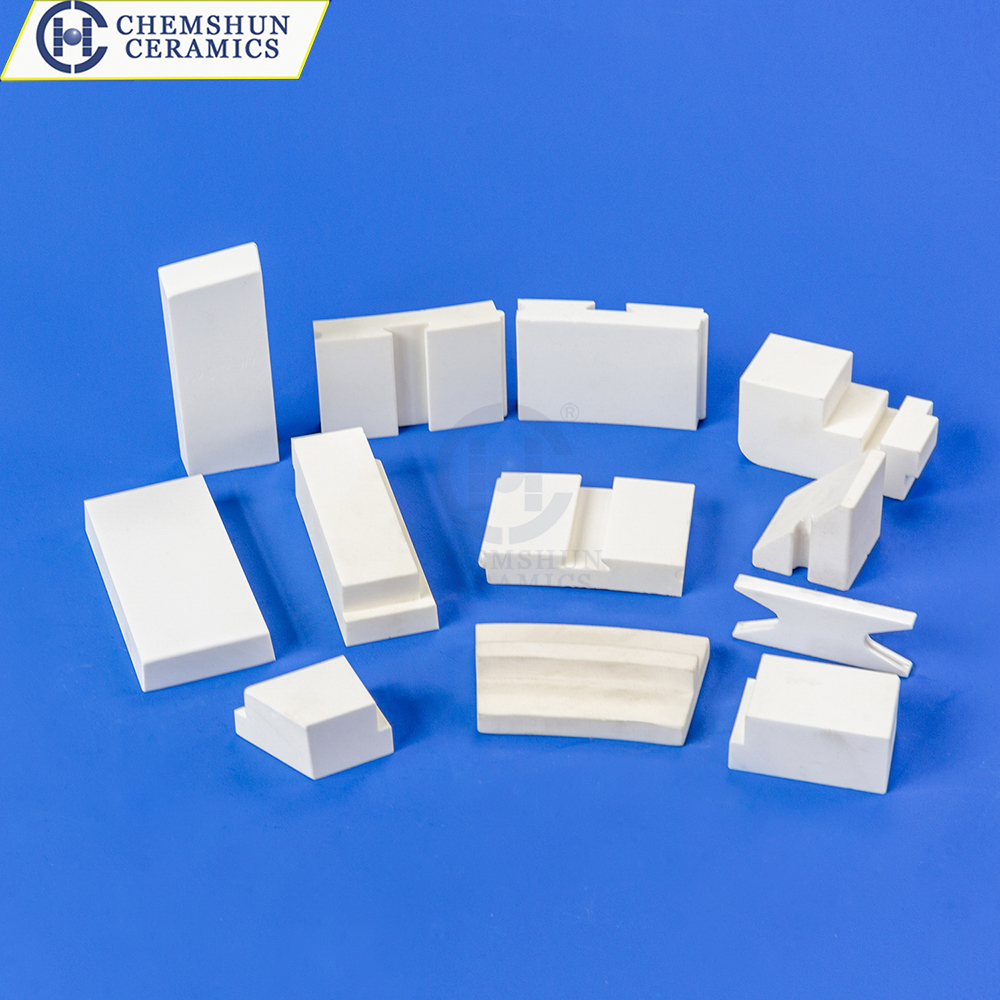
We can provide one-on-one matching based on your specific operating conditions, equipment parameters, and budget requirements to accurately select the right ceramic grade and product form—such as liners, wear tiles, pipes, and custom-shaped parts—eliminating wasted selection and application mismatches.
Post time: Sep-24-2026